
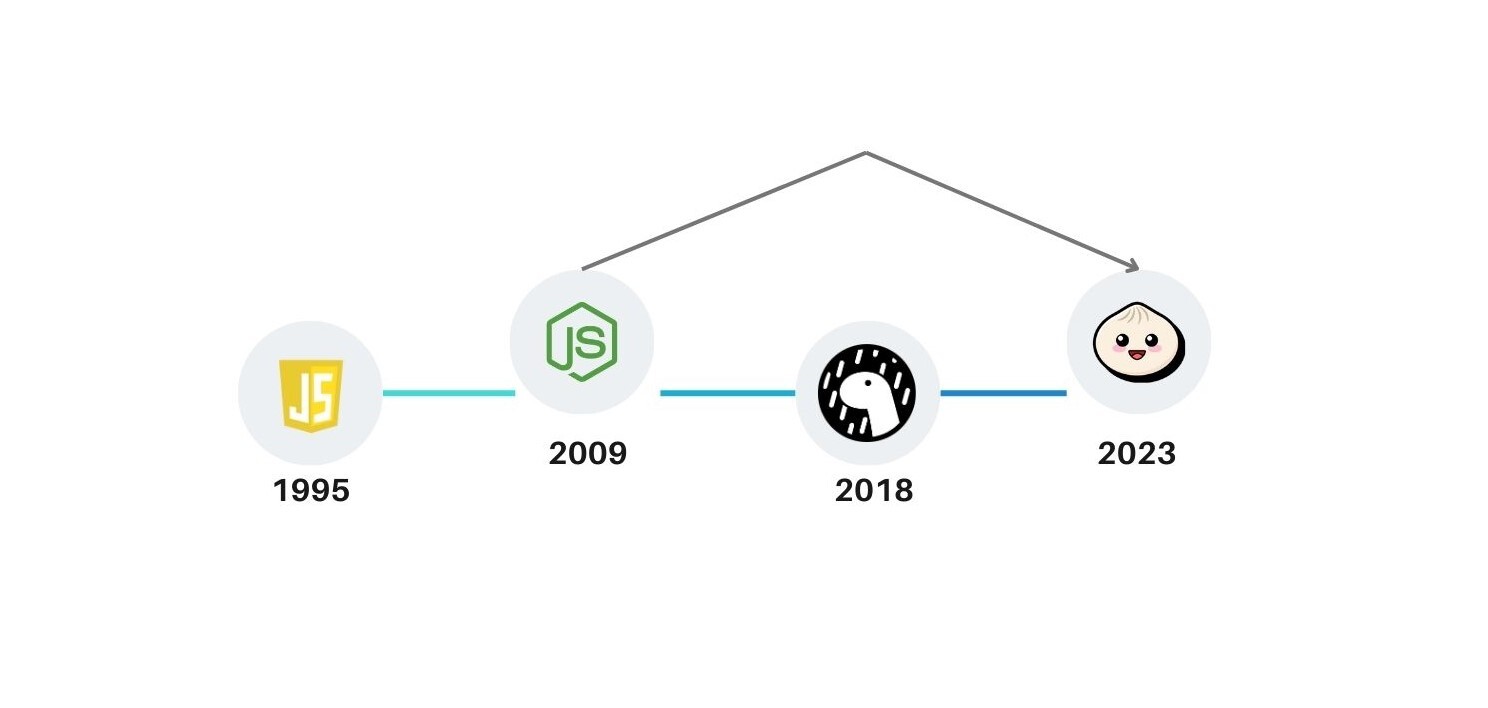
This article examines the Bun JavaScript runtime. Bun addresses performance limits of traditional runtimes. It provides speed, built-in tools, and simplified package management. These features support fast, scalable, and real-time applications. Bun suits projects that require optimized performance or efficient development workflows.
This section details Bun features and use cases. It identifies scenarios where Bun delivers value. It applies to lightweight applications and high-performance systems.
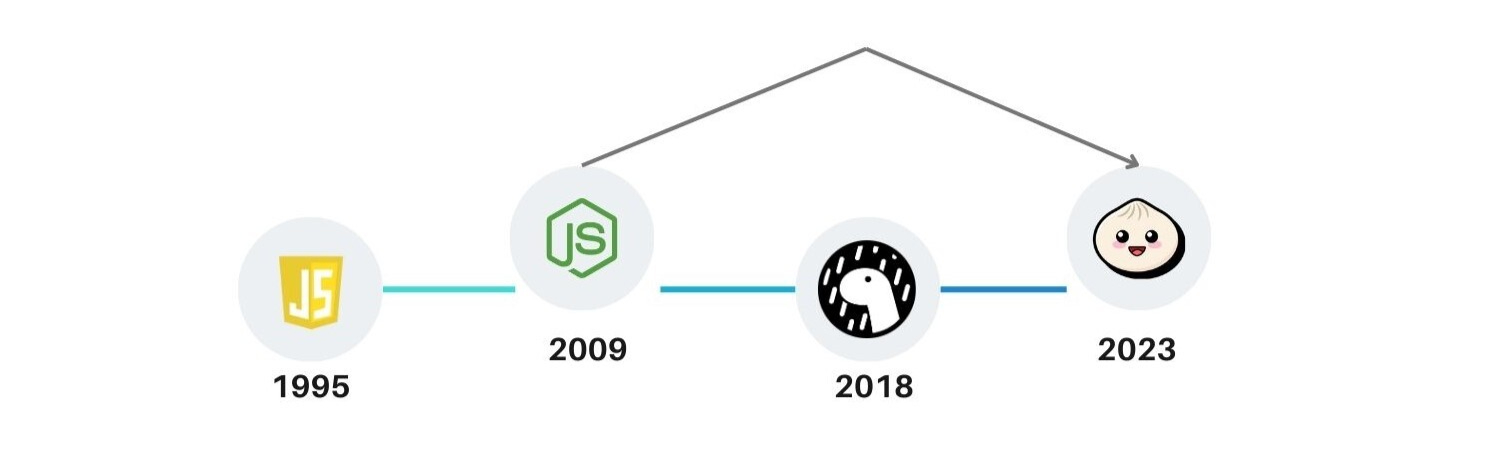
Bun: High-Performance JavaScript Runtime
Bun is a JavaScript runtime focused on speed and simplicity. It integrates a bundler, transpiler, and task runner. This design reduces reliance on external tools. Bun supports high-demand applications with fast execution and real-time capabilities. It offers efficient package management for developers.
Key Features
- High Performance: Bun uses an optimized runtime to achieve high speed. It integrates multiple development tools into a single environment.
- Integrated Tooling: Bun includes a built-in bundler, transpiler, and task runner. This setup reduces configuration complexity. It lowers the need for external packages.
- Efficient Package Management: Bun uses a dedicated package manager. It installs dependencies quickly. This reduces project setup time and improves workflow efficiency.
- Low-Level API Access: Bun exposes direct access to low-level JavaScript APIs. This enables developers to build custom solutions for high performance and low latency.
Performance Metrics and Benchmarks
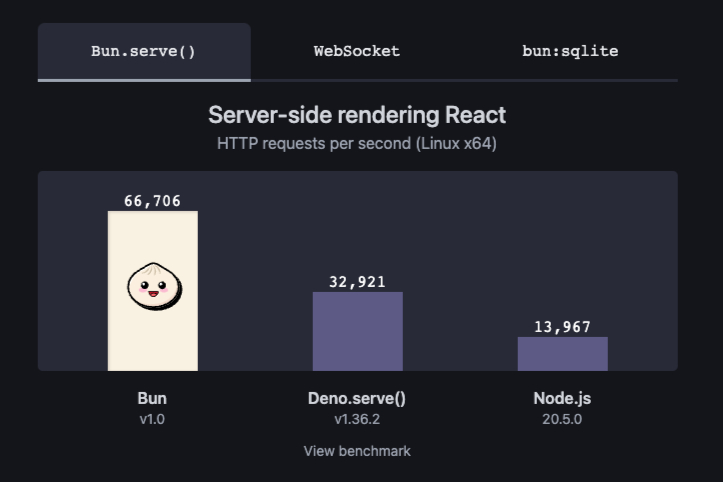
Bun targets environments that prioritize speed and efficiency. It focuses on the following performance areas:
- Startup Speed: Bun achieves fast startup times. This reduces delay for applications that require immediate responses, such as server-side rendering (SSR) and real-time systems.
- Low Latency for Real-Time Apps: Bun optimizes the runtime and package manager. This reduces latency for high-frequency events. It suits real-time applications like chat and live gaming.
- Resource Efficiency: Bun consumes less memory than traditional JavaScript runtimes. This suits high-demand environments and resource-sensitive applications.
Use Cases
- Server-Side Rendering (SSR): Bun performance advantages suit SSR applications. Dynamic content loads quickly. Example: An eCommerce platform uses Bun for SSR. It serves high-traffic, data-intensive pages instantly. Load times improve during peak shopping periods.
- High-Performance Real-Time Applications: Bun event-driven architecture supports real-time applications. These include collaborative tools and multiplayer games. Example: A multiplayer game platform uses Bun. It processes player actions in real time. Interactions remain fast and smooth.
- E-commerce and Dynamic Websites: Bun fast response times suit eCommerce platforms. These platforms handle dynamic, frequently updated content. Example: An eCommerce site uses Bun. It provides real-time product availability and pricing. Performance remains stable during heavy traffic spikes.
Conclusion
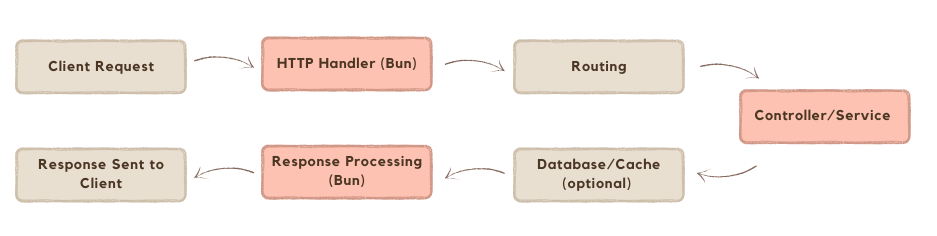
Bun provides high-speed execution, integrated tools, and simplified package management.
- Bun addresses specific limitations of traditional runtimes.
- The ecosystem supports modern, real-time applications.
- Bun serves as an option for developers requiring optimized performance.
Select Bun when your project requires these specific capabilities.