
Cloudflare Workers is a serverless platform for edge computing. It runs code closer to users to reduce latency. The platform supports real-time processing, automatic scaling, and security. Developers use it to deploy applications across a global network.
This section details the features, use cases, and performance benefits of Cloudflare Workers. It helps developers determine if the platform fits their project requirements.
Cloudflare Workers: A Serverless Platform for Real-Time Edge Computing
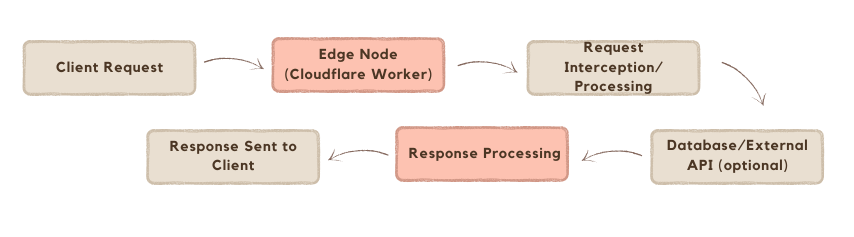
Cloudflare Workers deploys serverless applications at the edge. This reduces latency and improves responsiveness. The platform uses the V8 JavaScript engine. It supports JavaScript and WebAssembly. It suits applications that require global scale and fast response times.
Key Features
- Edge Deployment: Runs code across the Cloudflare global network. It executes functions close to users. This ensures low-latency delivery.
- Automatic Scaling: Scales to meet demand. It requires no complex configuration. It handles traffic spikes effectively.
- Security and Privacy: Enforces a security-first approach. It uses robust sandboxing and access controls. This protects sensitive data and user privacy.
- Web Standard Compatibility: Supports standard Web APIs such as Fetch and Cache. This allows developers to use familiar tools and methods.
- Integrated Storage Options: Integrates with Cloudflare KV, Durable Objects, and R2. R2 provides S3-compatible storage. These services manage data and state across distributed environments.
Performance Metrics:
- Latency Reduction: Processes requests near the user. This reduces round-trip time. The system suits latency-sensitive applications.
- Cold Start Performance: Uses lightweight runtimes to minimize cold start times. This reduces the wait time for the first request and improves initial load speed.
- Resource Efficiency: Serverless architecture scales automatically with demand. This approach reduces resource consumption. It maintains consistent performance without over-provisioning.
Use Cases
- Real-Time A/B Testing: Cloudflare Workers support dynamic content generation for user segments. Workers serve different content versions without backend changes. This process simplifies and accelerates A/B testing. Example: An e-commerce site uses Workers to test page layouts based on user data. This method delivers tailored experiences to increase engagement and conversions.
- Personalized Content Delivery: Edge-based execution allows real-time content personalization. Workers adjust responses based on user location, preferences, or behaviors. Example: A news platform uses Workers to deliver local headlines and trending articles based on user geolocation.
- API Gateway: Cloudflare Workers function as an API gateway. They handle routing, caching, and request optimization at the edge. This design minimizes end-user latency and centralizes API control. Example: A mobile app uses Workers as an API gateway to aggregate requests from multiple microservices. This setup reduces latency and simplifies backend communication.
- Static Site Generation (SSG) and Edge-Rendered ApplicationsGenerate pre-rendered or server-side pages on demand.
- Enable rapid content updates.
- Avoid rebuilding the entire site.
Example: A blog or portfolio site uses Workers to generate or update pages instantly upon user interaction. This keeps content fresh without delay.
Conclusion
Cloudflare Workers serves applications requiring ultra-low latency, real-time responsiveness, and secure edge computing. The platform uses an edge-first approach, automatic scaling, and robust integration with Cloudflare storage. It provides a versatile, scalable, and efficient solution for backend development. This solution extends beyond traditional Node.js setups to handle personalized content, real-time interactions, and API management.