
Modern applications must handle growth and change. Component-Driven Development (CDD) supports scalable and maintainable software. CDD uses components as core building blocks. This approach creates modular codebases. It supports team collaboration. It enables design-system integration. CDD improves application construction.
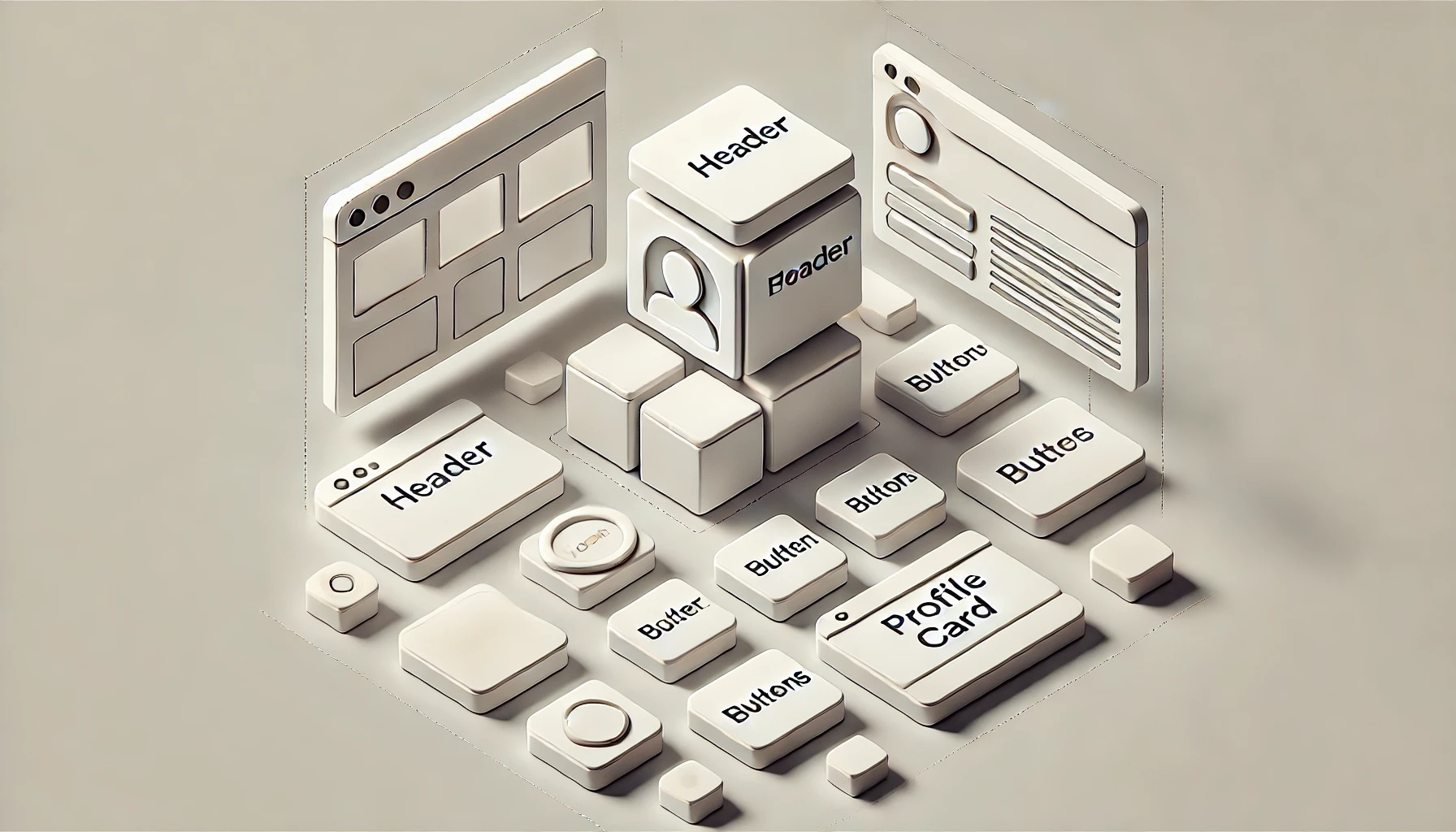
Defining Component-Driven Development
CDD divides applications into small, manageable components. This methodology builds user interfaces from modular, reusable parts. Developers create isolated components with single responsibilities. Each component has clear boundaries. This structure organizes the development process. It increases efficiency.
Drivers for Component-Driven Development
Modularity and Reusability: Components are modular. Teams can develop, test, and reuse them independently. For example, a button component works on multiple pages. Minimal customization reduces development time.
Maintainability: Isolated components simplify the codebase. Issues stay within the affected component. This allows faster troubleshooting.
Enhanced Collaboration: CDD enables developers and designers to work together. They use a shared component library, or design system. These components act as a common language. This improves collaboration and consistency.
Consistent Design Language: A centralized component library enforces design standards. This ensures the user interface is cohesive. It conforms to established design guidelines.
Testing Efficiency: Isolated unit tests for individual components increase coverage. Developers detect defects early. This produces stable code.
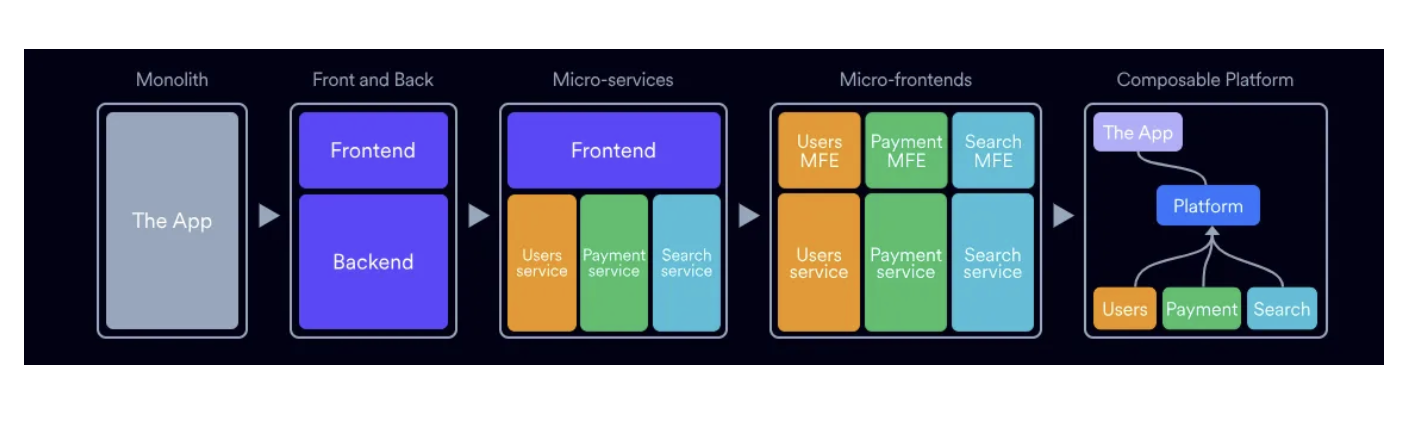
Key Benefits of CDD
- Modular Architecture: Reusable component libraries allow developers to focus on specific features. This accelerates scaling.
- Independent Testing: Isolated component testing increases code reliability. This reduces defects.
- Faster Iterations: Changes to one component do not require reworking the entire application. This enables faster updates.
Component-Driven Development: Implementation Steps
- Design Components First : Decompose application features into distinct, manageable components.
- Leverage Component Libraries : Integrate established frameworks, such as React, Vue.js, or Angular, to accelerate development cycles.
- Prioritize Reusability : Construct components with modular architecture to support deployment across multiple application modules.
- Document Components : Maintain a structured component catalog or design system to ensure team-wide discoverability and consistent usage.
Example: Build a User Profile Component
This example shows how to build a User Profile Component.
- Header Component: Shows the user name and profile picture.
- Bio Component: Lists a short description, interests, and personal details.
- Action Component: Includes buttons for Follow, Message, and Add Friend.
Develop components independently to reuse them across the application. This reduces code duplication and maintains a consistent interface.
Conclusion
Component-Driven Development (CDD) simplifies application building. It improves speed and efficiency. CDD optimizes workflows and supports team collaboration. It creates applications that handle future requirements. This approach provides a clear structure for developers at all levels. It produces robust and reliable software.