
Elasticsearch is a central component of modern data analytics. It provides high speed, scalability, and versatility. This article uses a table-first approach. It shows how Elasticsearch supports analytics. This format allows you to assess its value quickly.
Why Use Elasticsearch?
Elasticsearch converts raw data into actionable insights. See the following summary.
| Feature | What It Does | Why It’s Powerful |
|---|---|---|
| Blazing Fast Search | Quickly searches and filters structured and unstructured data. | Millisecond-level query speeds, even for massive datasets. |
| Real-Time Analytics | Ingests and processes streaming data on-the-fly. | Ideal for IoT data, live dashboards, and fraud detection. |
| Scalability | Easily scales across distributed nodes. | Handles billions of records without breaking a sweat. |
| Ecosystem Support | Part of the ELK Stack (Elasticsearch, Logstash, Kibana). | Integrates ingestion, search, and visualization in one seamless flow. |
| Machine Learning | Detects anomalies and forecasts trends. | Adds intelligence to analytics, reducing the need for manual monitoring. |
Elasticsearch Role in Data Analytics
Elasticsearch performs specific functions within standard analytics workflows.
| Step | Traditional Analytics Challenges | Elasticsearch’s Solution |
|---|---|---|
| Data Ingestion | Slow data pipelines; difficulty handling diverse sources. | Logstash simplifies ingestion from multiple sources. |
| Data Indexing | High latency during data processing. | Real-time indexing ensures instant availability. |
| Search & Query | Limited to batch-mode queries; poor performance at scale. | Ultra-fast, scalable search optimized by an inverted index. |
| Visualization | Static or outdated dashboards. | Kibana delivers dynamic, real-time dashboards. |
Primary Use Cases for Elasticsearch
Elasticsearch serves critical functions across multiple industries.
| Industry | Use Case | Impact |
|---|---|---|
| E-commerce | Customer segmentation by behavior. | Improved personalization and marketing ROI. |
| Media Streaming | Viewership trend analysis. | Optimized content recommendations. |
| Logistics | Real-time tracking of shipments. | Enhanced operational efficiency. |
| Cybersecurity | Anomaly detection in logs. | Faster threat identification and mitigation. |
ELK Stack Operational Overview
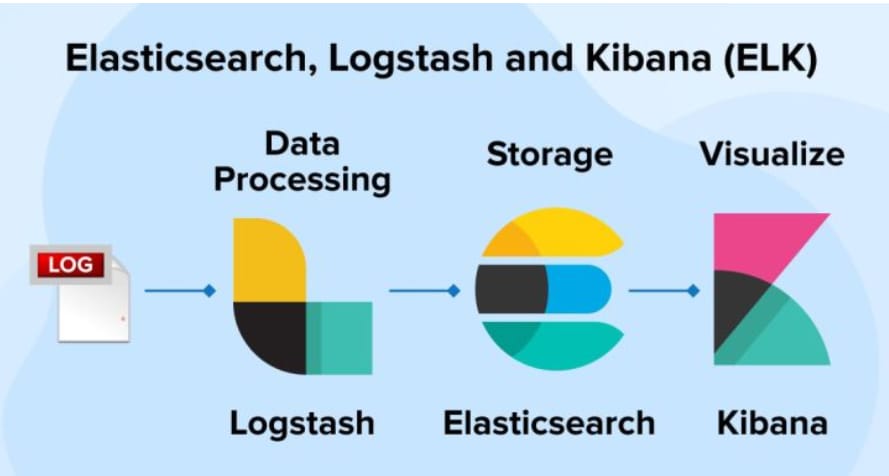
Elasticsearch performs best within the full ELK stack:
| Component | Role | Benefit |
|---|---|---|
| Elasticsearch | Indexes and searches data. | Core engine for speed and scalability. |
| Logstash | Ingests and processes data streams. | Simplifies data collection from multiple sources. |
| Kibana | Visualizes data and queries. | Makes insights accessible through interactive dashboards. |
Example workflow:
- Input: Logstash ingests customer purchase logs.
- Processing: Elasticsearch indexes and analyzes the logs.
- Output: Kibana displays real-time sales dashboards.
Conclusion
Elasticsearch processes large data volumes with speed and scale.
- It converts raw data into real-time insights.
- This capability simplifies data analytics operations.
To run the ELK stack in production, see our Elastic Stack services.
Related reading: Elasticsearch use cases in enterprise operations and what Elastic Observability covers.