
Introduction
This series examines self-hosted AI models. It explores the shift from online to offline architectures. This article focuses on offline self-hosted models. It begins with Google window.ai.
Most AI applications use cloud infrastructure and require internet connectivity. window.ai changes this model. It uses the lightweight Gemini Nano to run AI directly in the browser. This enables offline AI capabilities without network access.
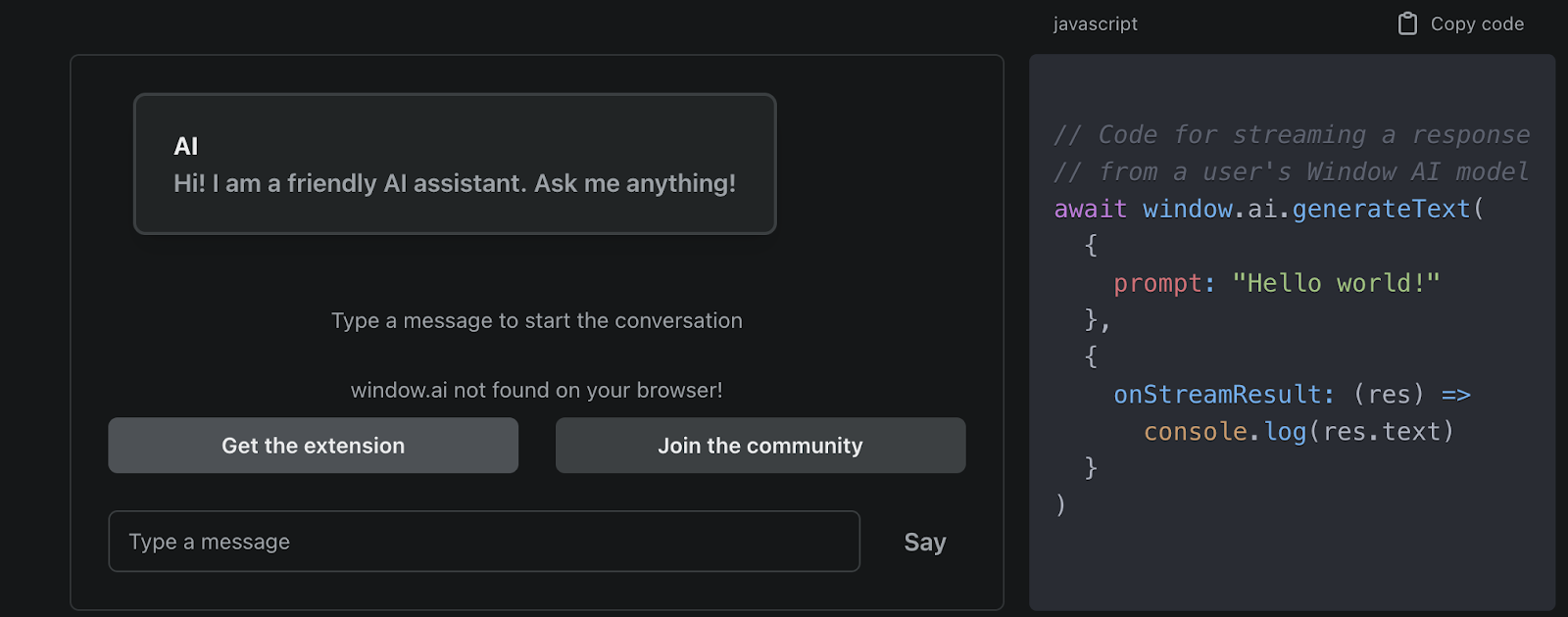
Definition of window.ai
window.ai is an experimental browser feature built on Gemini Nano. This compact model targets edge deployment. It runs AI tasks on the device. No internet connection or external server communication is required.
window.ai turns web browsers into autonomous AI platforms. The feature performs these operations:
- Text generation and summarization
- Content optimization
- Real-time inference and data processing
This technology decentralizes AI computation. It creates an independent infrastructure for developers, researchers, and end-users.
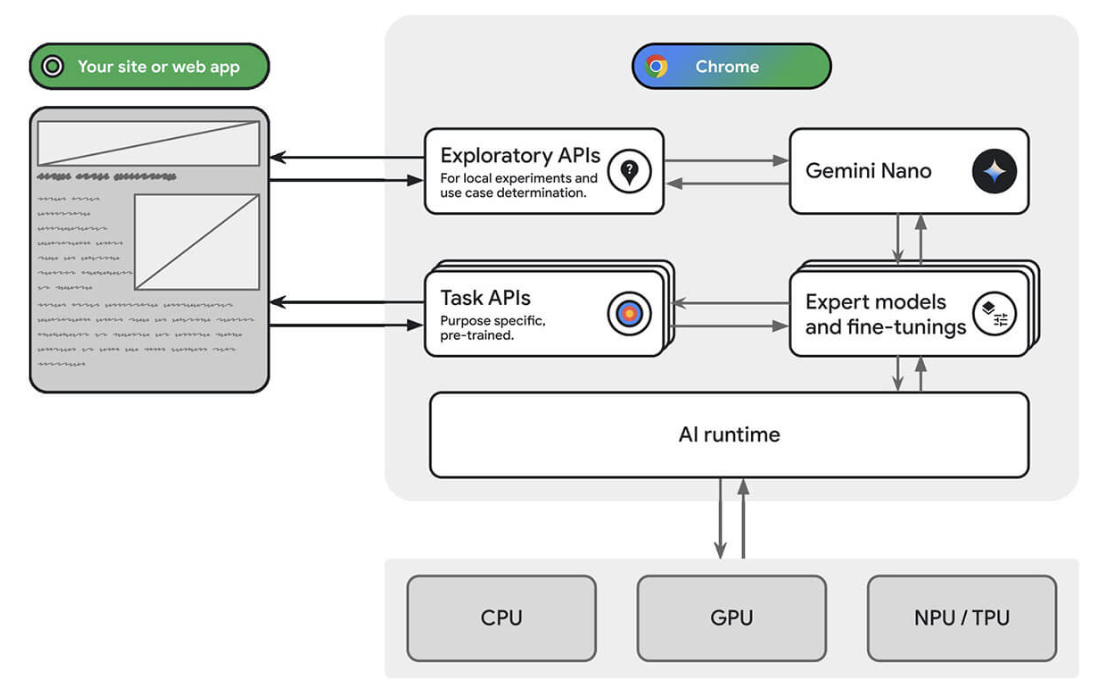
Key Functions of window.ai
window.ai changes the AI landscape for these reasons:
1. Universal Access
Offline functionality removes internet dependency. This supports remote work, field operations, and travel with unstable connectivity.
Data Privacy and Security
Cloud-based models transmit data, creating privacy risks. window.ai keeps data local. This structure meets strict security and privacy standards.
Cost Optimization
Local execution of lightweight models reduces cloud costs. This model suits developers seeking scalable, efficient deployments.
Core Advantages of window.ai
1. Offline AI Functionality
window.ai runs without an internet connection. This design supports consistent performance in offline environments.
2. Accelerated Performance
window.ai executes tasks locally. This method reduces latency by removing server round-trips. The system processes text and optimization tasks in real time.
Constraints and Operational Considerations
window.ai provides significant value. However, specific technical limits apply:
1. Hardware Performance Limits
On-device AI performance depends on hardware computational capacity. Devices with limited resources may fail to execute lightweight models efficiently.
2. Model Complexity Limits
Gemini Nano uses a lightweight design for edge environments. It does not match the performance or scope of large cloud-based models.
Redefining AI Deployment Models
window.ai bridges the gap between cloud dependency and local autonomy. The system delivers speed, privacy, and offline access. It addresses the limitations of current AI models. Users can:
- Run AI tools without an internet connection.
- Keep full control of sensitive data.
- Localized processing reduces latency.
Conclusion
Window.ai improves AI accessibility and performance. It enables offline, browser-based execution. This approach resolves latency, privacy, and cost issues. This blog series examines self-hosted AI models. We will cover further developments that change the AI landscape. Review the next post in the series.
SquareShift offers AI implementation services for teams that choose between cloud, online self-hosted and offline AI.
Read more articles
For the online counterpart, read our guide to online self-hosted AI models, and for a newer Google model, read about Gemini 2.0 Flash in Google AI Studio.