
A technology roadmap defines long-term objectives, identifies required projects, and sets a timeline for the next one to two years.

Businesses face constant pressure to increase output within limited timeframes. They must innovate and identify new capabilities. A structured process helps IT directors anticipate obstacles that may disrupt progress. For example, the organization may pursue an acquisition or experience staff turnover. A sound technology roadmap addresses these risks before they occur. Managed services and technology roadmaps intersect because managed services agreements account for unforeseen challenges.
Managed Services as a Safety Net for the Cloud Technology Roadmap
Cloud roadmaps outline a sequence of tasks. Completion requires one to two years. Delays compound, adding weeks or months to the timeline. Misalignment with business goals causes company-wide disruption. Preventing critical delays avoids significant operational problems.
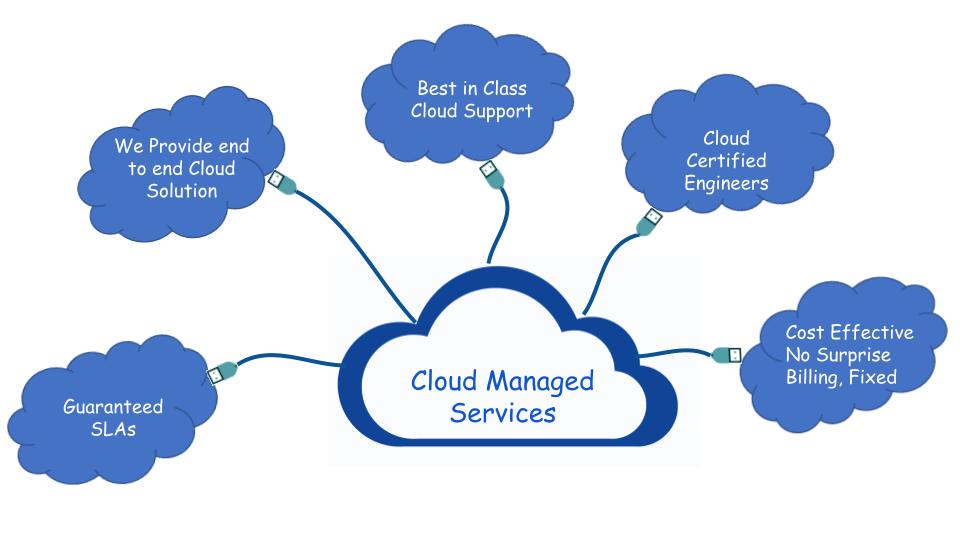
This section lists common reasons for cloud tech roadmap delays. It explains how SquareShift managed services address each issue.
1. IT Department Turnover
Turnover reduces continuity, increases resource drain, and raises costs. Many IT departments struggle to retain staff. Some organizations identify retention as a primary internal issue. If an employee leaves within 12 to 18 months, the hiring process delays the remainder of the cloud roadmap.
Managed services aligns and deploys teams of certified, experienced engineers and Centers of Excellence to your business objectives. These teams cover skill gaps in your current workforce and control overhead costs.
Deploy Technology With a Defined Cloud Roadmap
Roadmaps often require deploying new technologies. In-house teams may lack the time for these tasks. Routine operations, troubleshooting, and support consume available bandwidth. This diverts focus from core projects.
Managed Services handles daily tasks. This allows the IT team to focus on strategy and innovation.
Recruit and Train Staff
Roadmaps may require hiring personnel with specific skills. The hiring process can block progress. The technology talent market is competitive. Small and medium-sized businesses often struggle to find qualified candidates. Training and mentoring new hires also requires significant time.
Managed services close in-house skills gaps by placing candidates with the required domain expertise.
4) Continuous proactive monitoring
Without 24/7 monitoring of infrastructure, cloud, and network, failures occur unannounced. These outages disrupt operations, clients, and strategic roadmaps.
SquareShift managed services provide 24/7 proactive monitoring and alerting. We detect and resolve infrastructure and network issues immediately.
IT and business units often operate in silos. CIOs and IT directors frequently lack executive visibility into business decisions that impact technology. SquareShift aligns cloud roadmaps with business goals to secure resource allocation and stakeholder support.