
Prior articles introduced basic BigQuery and DBT optimization methods. This article examines an advanced strategy. Incremental DBT models reduce processing overhead. This lowers costs for large data sets.
Repeated transformations often increase table sizes in BigQuery. Larger tables raise query costs. Each transformation run generates additional processing load.
Impact of Table Growth on BigQuery Query Costs
DBT transformations act as SQL queries. They read from BigQuery tables. They write to new or existing tables.
Frequent triggers increase table size. DBT default behavior creates or replaces tables. Each run reprocesses the full table. This increases query costs.
BigQuery uses a cost-per-query model. Larger tables increase costs. Repeated full table refreshes accumulate expenses.
Key cost drivers:
- Full table replacement: DBT replaces entire tables on each trigger. This increases data size and cost.
- Frequent Full Queries
- Reprocessing full tables increases query volume.
- Higher data processing costs result from redundant reads.
- Rapid Data Growth in Event-Driven Systems
- Transformations triggered by events increase data volume quickly.
- Rapid table expansion raises storage and query costs.
Solution: Incremental dbt Models
Incremental dbt models process only new or changed data.
- Eliminates full table refreshes.
- Reduces query costs for large datasets.
How Incremental dbt Models Work
- Partial table updates: Incremental models append new or modified data to existing tables. DBT executes fewer queries and processes less data. This reduces total cost.
- Selective processing: Models process only data inserted or updated since the last run. This lowers query costs and shortens transformation time.
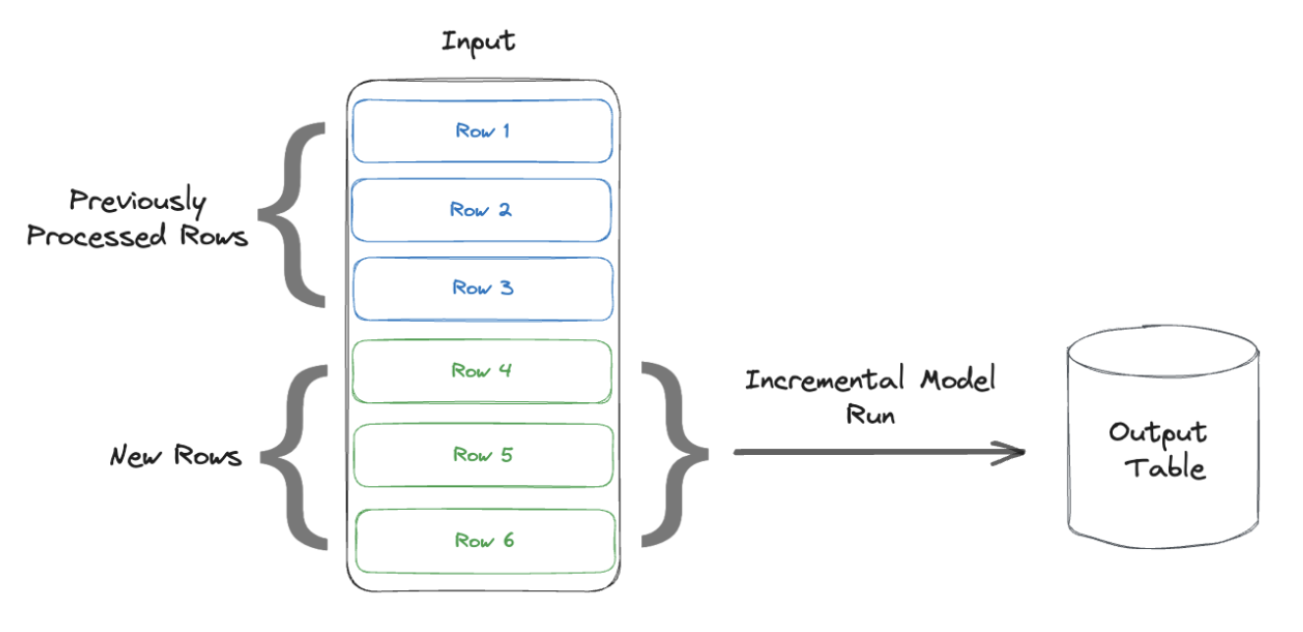
Incremental model benefits:
- Cost reduction: Processing only new or changed data reduces row volume. This lowers query and storage costs.
- Performance improvement: Incremental processing handles smaller data volumes. This is faster than full-table processing and improves efficiency.
- Scalability: Incremental models maintain predictable costs. Query and storage costs do not increase exponentially as data volume grows.
Manage BigQuery costs with a strategic approach. The default full table replacement in dbt inflates query costs. This impact increases with large datasets or frequent event-driven triggers. Implement incremental models to limit transformations to new or modified data. This approach reduces costs, increases speed, and improves workflow efficiency and scale.
Use incremental dbt models to optimize BigQuery costs. This practice maintains high-quality data pipelines. Contact us for a consultation.