
The SquareShift Engineering Team previously introduced agentic frameworks: CrewAI, LangGraph, Swarms, LlamaIndex, and AutoGen. These frameworks allow autonomous AI agents to make decisions and solve problems. Swarms uses collective intelligence, modeled on ant colonies. This design allows multiple agents to collaborate without central control. The decentralized approach improves real-time coordination, decision-making, and adaptability. Swarms suits complex, scalable tasks that require flexibility and efficiency.
Definition: Swarms
Swarms is an agentic framework that coordinates multiple AI agents. These agents include LLMs or specialized units for specific tasks. The framework enables agents to communicate, collaborate, and share resources to reach common goals. Swarms simplifies the integration of models, prompts, and tools. This structure simplifies the construction of complex AI systems.
Core Capabilities
- Modular Design : Developers connect agents, tools, and memory systems as required.
- Scalability : Performance remains stable as agent count increases.
- Tool Connectivity : Agents execute specific functions using external services.
- Persistent Memory : Integration with ChromaDB and Pinecone allows long-term data storage and retrieval.
- Collaboration: Agents share data and coordinate actions to solve complex tasks.
Swarms Agent Workflow
Swarms agents operate autonomously through these stages:
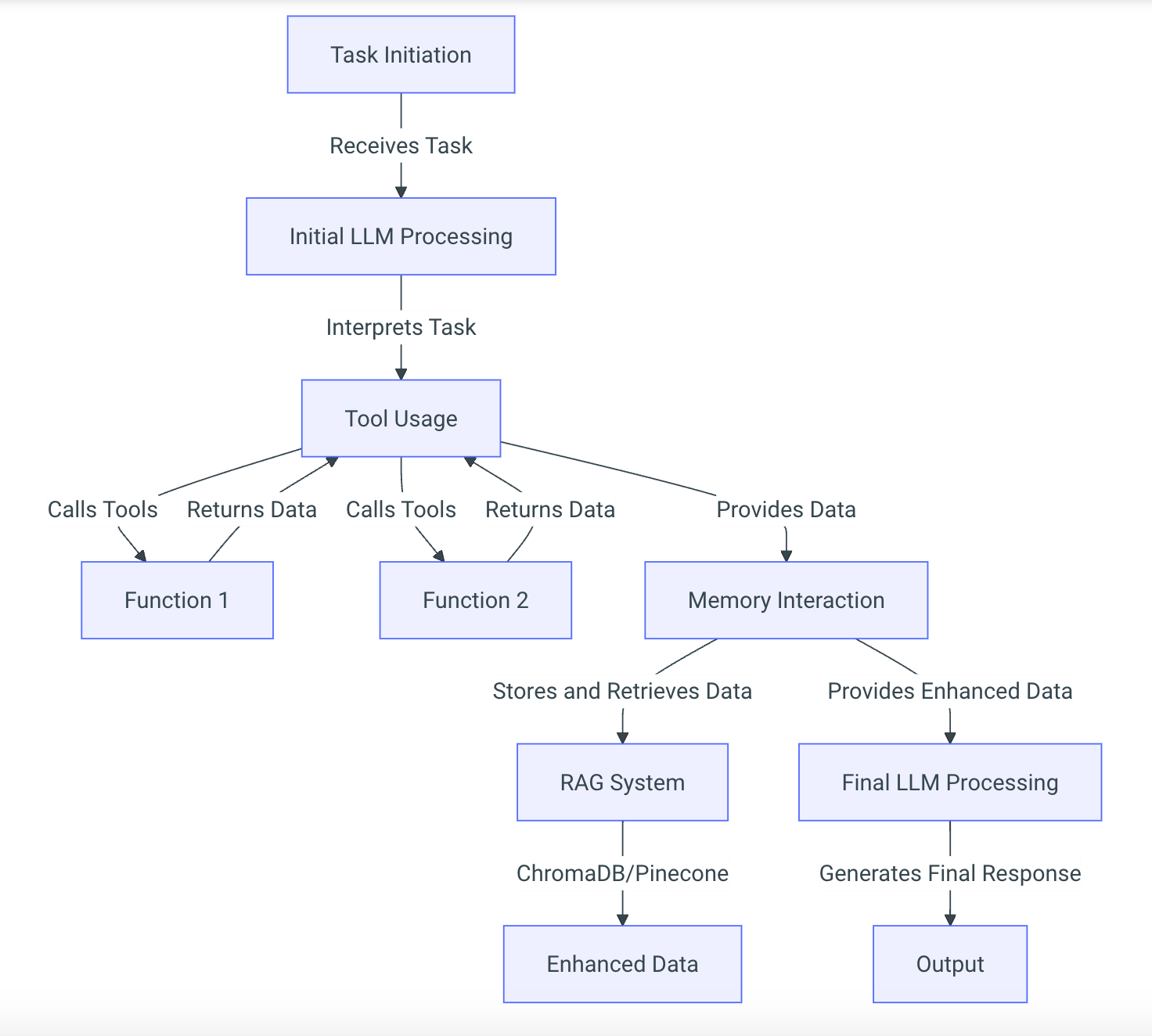
Stage 1: Task Initiation
- Input: A task or query to process.
- Objective: Define task parameters and draft an initial strategy.
Stage 2: Initial LLM Processing
- Process: The LLM parses the task to establish context and requirements.
- Output: Initial response or action plan.
Stage 3: Tool Usage
- Process: The agent invokes external tools or functions to collect data or execute actions.
- Function Calling: The agent accesses tools as functions using defined inputs and outputs.
- Output: Data or results returned by the tools.
Stage 4: Memory Interaction
- Process: The agent queries long-term memory systems to store new data and retrieve relevant historical records.
- Memory Systems: Uses ChromaDB or Pinecone.
- Output: Adds context and data for final processing.
Stage 5: Final LLM Processing
- Process: The LLM creates the final response using the added context and data.
- Output: The final answer or action from the agent.
Swarms-Based Multi-Agent Architectures
Swarms builds the following multi-agent architectures:
- Collaborative Problem Solving
- Agents split complex problems
- Agents solve sub-tasks jointly
- Specialized Agents
- Agents hold specific skills (e.g., data analysis)
- Agents coordinate to finish tasks
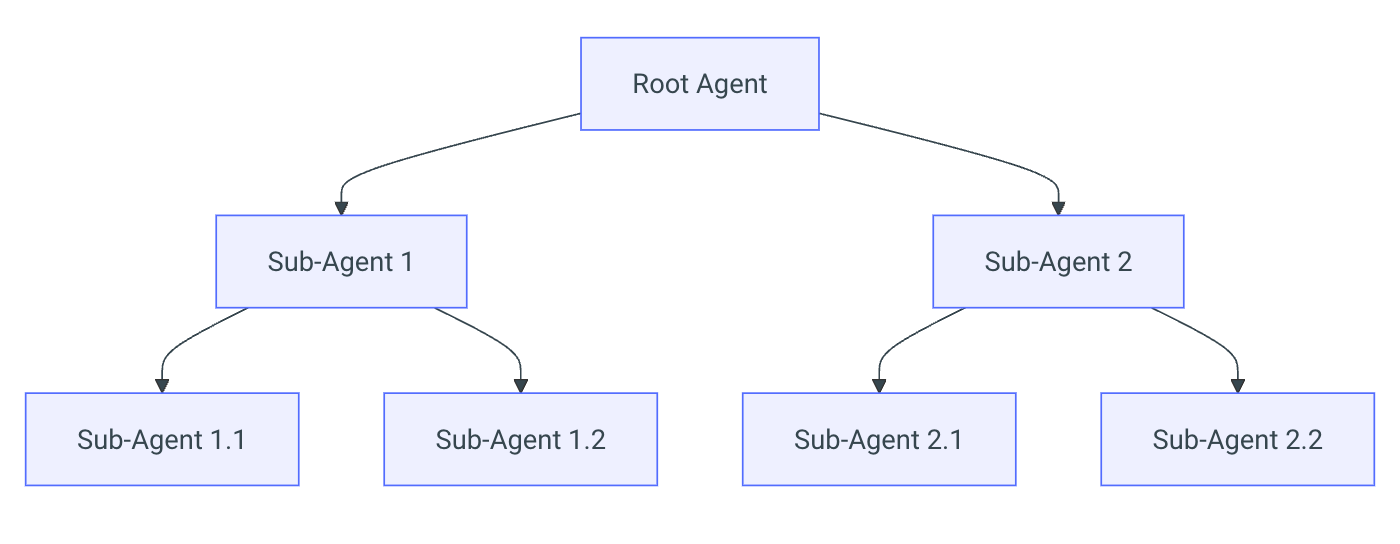
- Hierarchical Structures
- Agents form tiers
- Senior agents direct junior agents
- Distributed Systems: Agents operate in parallel. They share data to improve efficiency.
The Swarms framework includes these multi-agent architectures:
Hierarchical Swarms
Agents follow a hierarchy. Senior agents coordinate junior agents.
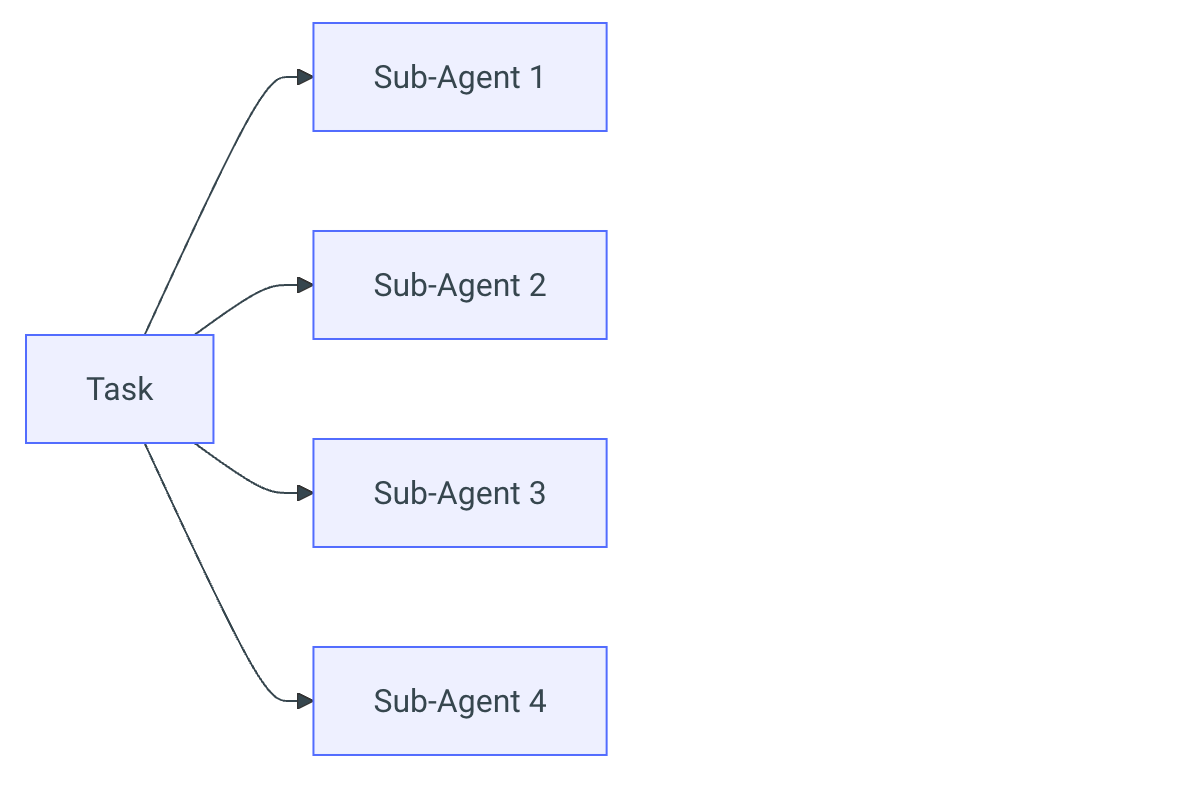
Parallel Swarms
Parallel Swarm architecture. Multiple agents operate independently and simultaneously on different tasks. Each agent works on its own task without dependencies on the others.
Sequential Swarm
A Sequential Swarm architecture processes tasks in a linear sequence. Each agent completes its task before passing the result to the next agent. This design ensures orderly processing. It suits tasks with strict dependencies.
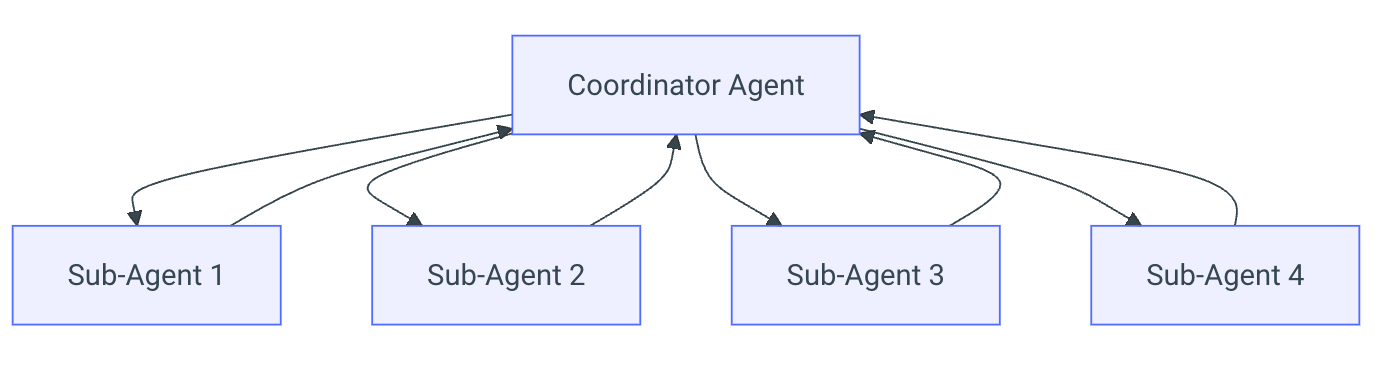
Mixture of Agents
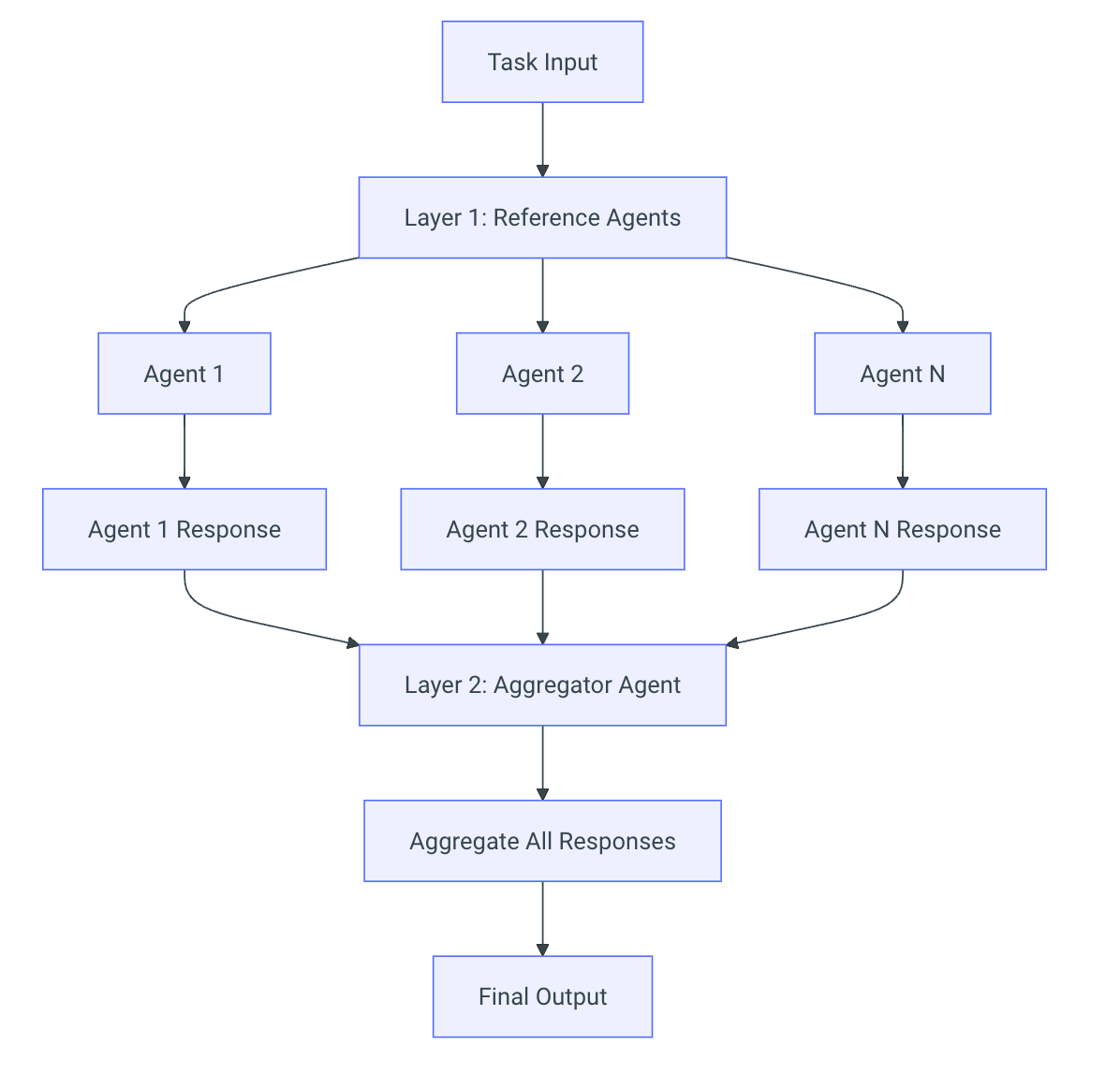
Example Architecture: Collaborative Research Assistant
Consider a scenario in which a group of agents functions as a research assistant:
- Task Assignment: The primary agent receives a broad research question.
- Delegation: It assigns sub-tasks to specialized agents (for example, data collection, summarization, and fact-checking).
- Tool Use: Each agent uses tools, such as web scrapers or databases, to collect information.
- Memory Storage: The system saves findings in shared memory for future use.
- Collaboration: Agents exchange findings to improve research accuracy.
- Finalization: The main agent compiles the data into a comprehensive report.
Conclusion
Swarms offers a modular, scalable multi-agent architecture. It coordinates specialized agents across frameworks such as LangChain and AutoGen. This structure suits complex tasks in manufacturing and healthcare. However, the framework remains in early development. Widespread deployment requires further stabilization and bug resolution.
For other frameworks, read our overview of agentic AI frameworks and our guide to the Autogen framework.