

Overview
Micro-frontends split large web applications into small, independent units. This modular design improves development efficiency, scalability, and technology flexibility. Isolated changes and independent development lower risk and support team collaboration.
Micro-frontends apply microservice principles to the user interface, enabling scalable and efficient web applications.
Micro-Frontends Defined
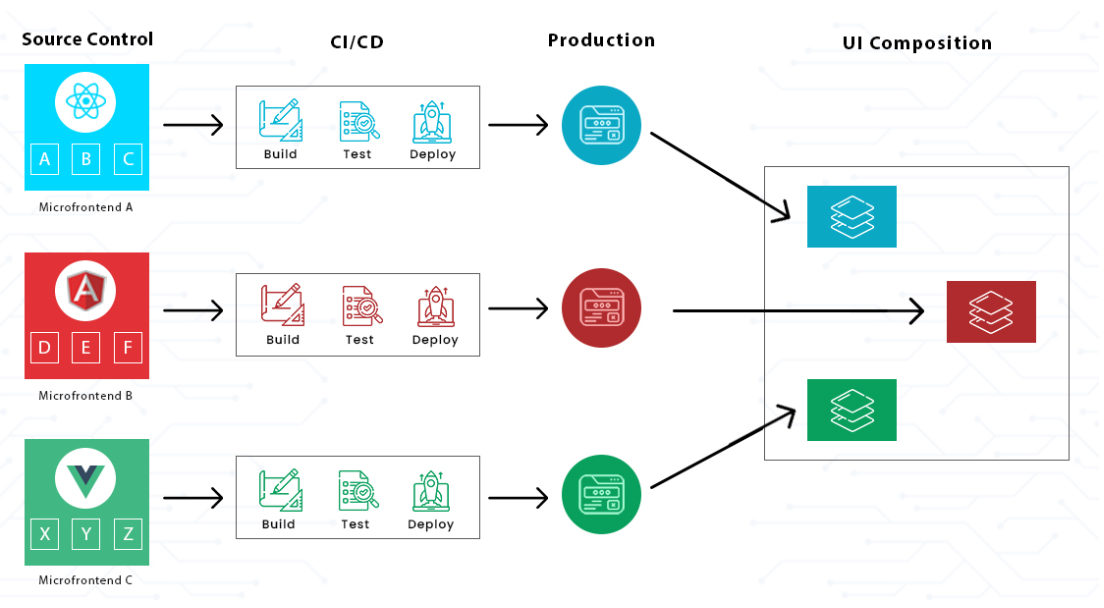
Micro-frontends split a frontend into independent modules. Each team manages one module. This structure allows modules to act as small applications within the main system. It enables:
- Independent Modules: Each module runs on its own. It functions as a small application within the larger system.
- Technology Diversity: Teams select their own tools. This choice supports innovation.
- Deployment Autonomy: Teams update one part of the frontend. This does not disrupt the full system.
- Integration Mechanisms: Connect modules using web components, iframes, or bundlers.
Key Benefits
- Accelerated Development: Teams operate independently, which reduces bottlenecks.
- Scalable Architecture: Supports large, complex applications with distributed development.
- Technology Flexibility: Assign different technologies to distinct frontend modules.
- Easier Maintenance: Bugs and updates affect specific sections only. This isolation improves maintainability.
Architecture
Industry Trends and Real-World Applications
Micro-frontends align with cloud-native architectures and multi-team development. As businesses adopt Kubernetes and containerized environments, this modular approach adds value.
"Micro-frontends are the frontend equivalent of microservices. This approach is durable."
Case Studies: Micro-Frontend Implementation
Spotify
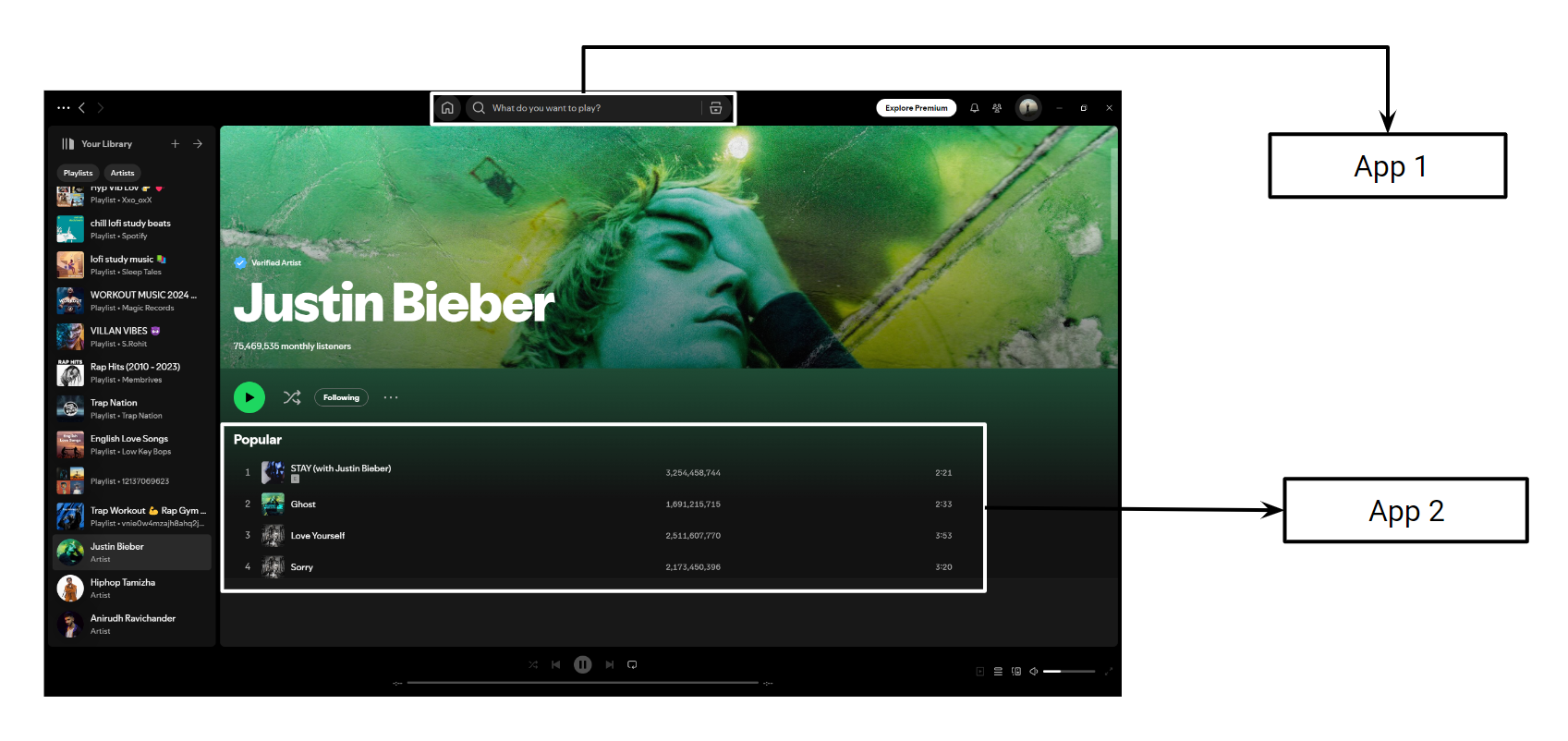
Splits the user interface into independent modules, such as playlists, search, and library. This structure enables teams to deploy updates without impacting other interface components.
Amazon
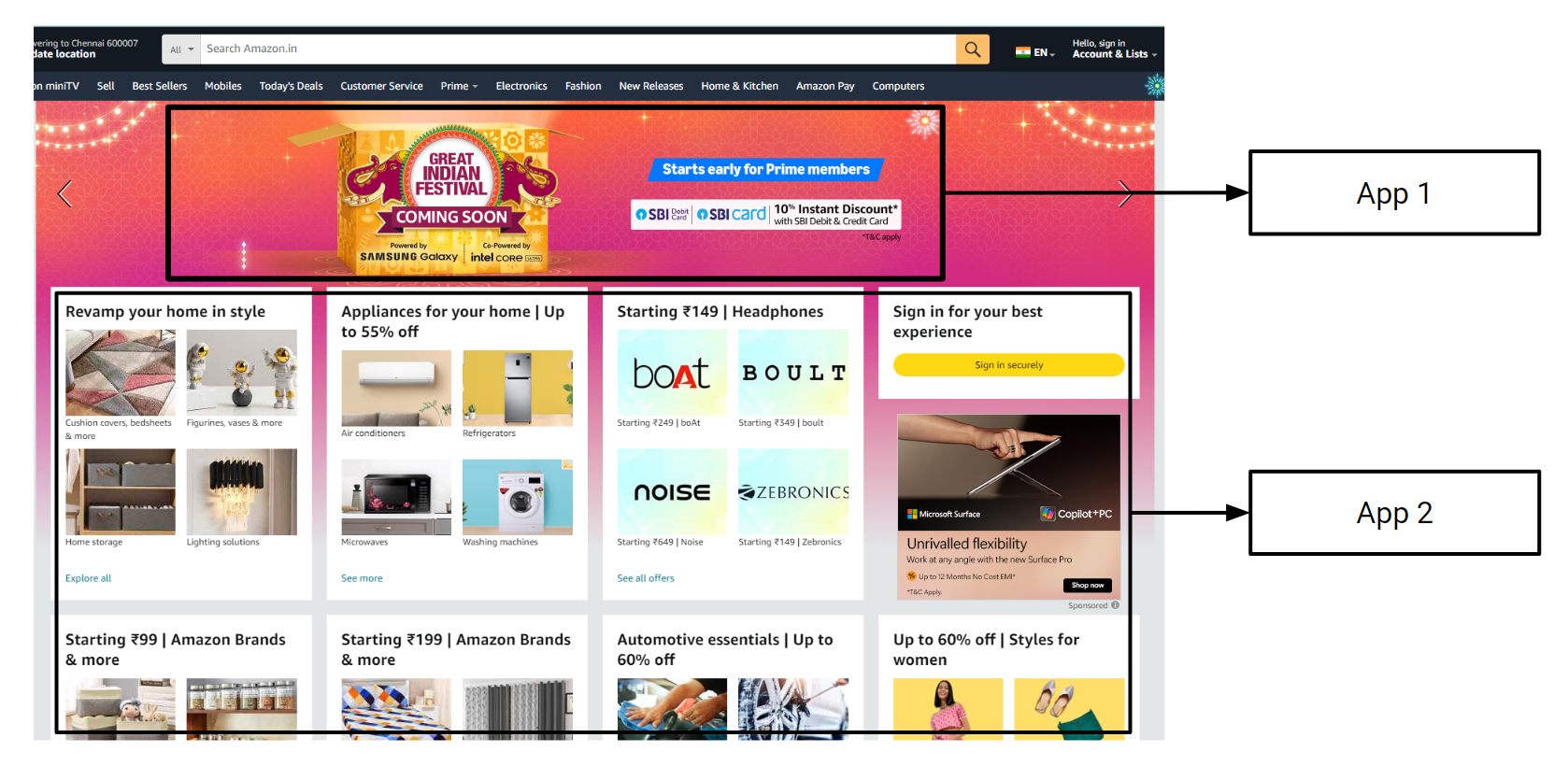
Manages distinct site sections, such as product listings and the shopping cart, using micro-frontends. This modular architecture supports independent feature scaling, regional customization, and rapid deployment of new capabilities.
IKEA:
IKEA uses micro-frontends to modularize its e-commerce platform. This approach accelerates feature deployment, including shopping cart and product page updates across regions.
Zalando:
Zalando uses micro-frontends to support independent development teams. Teams build and deploy features such as product pages, customer reviews, and recommendations independently.
Netflix:
Divides the user interface into independent micro-frontends. This structure supports separate deployment and updates for distinct features. It enables rapid feature release.

Conclusion
Micro-frontends provide the agility and speed required for modern digital platforms.
Effective governance and performance optimization unlock the full value of this architecture for platforms and teams.
"When implemented correctly, micro-frontends significantly enhance web development capabilities."
.